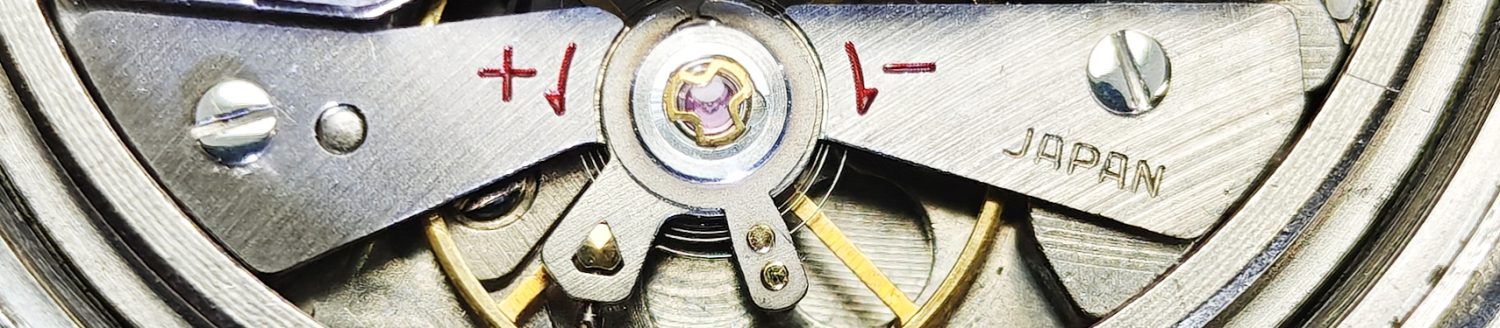

Mastering the art of lubricating or oiling mechanical watch movements is intricate and the correct choice of lubricants has always sparked palaverous debate.
Novices such as myself have spent hours poring over numerous forum posts and have read lengthy comments by experienced watchmakers in trying to determine which lubricating oils and greases are the most essential and are ‘universally’ acceptable, if there is indeed such a thing.
The driving force behind this phenomenon are, firstly, the vast selection of modern Swiss made oils and greases, and secondly, their equally lofty prices. A widely circulated piece of internet folklore is the exorbitant cost of inkjet printers’ ink, which, according to a popular publisher, is quoted as US$5,654 per litre. Watchmaking is in another league however. The quintessential Moebius oil used in servicing watches – the Moebius 9010 – costs a staggering US$11,500 per litre at popular online retailers!
For the beginners however, there is respite when it comes to vintage Seiko. Perusing the official Technical Guide, we come across the following 5 basic oils, the simply named S-2, S-3 and S-4 made by Seiko Corp., the Moebius Synt-A-Lube and a regular silicon grease.
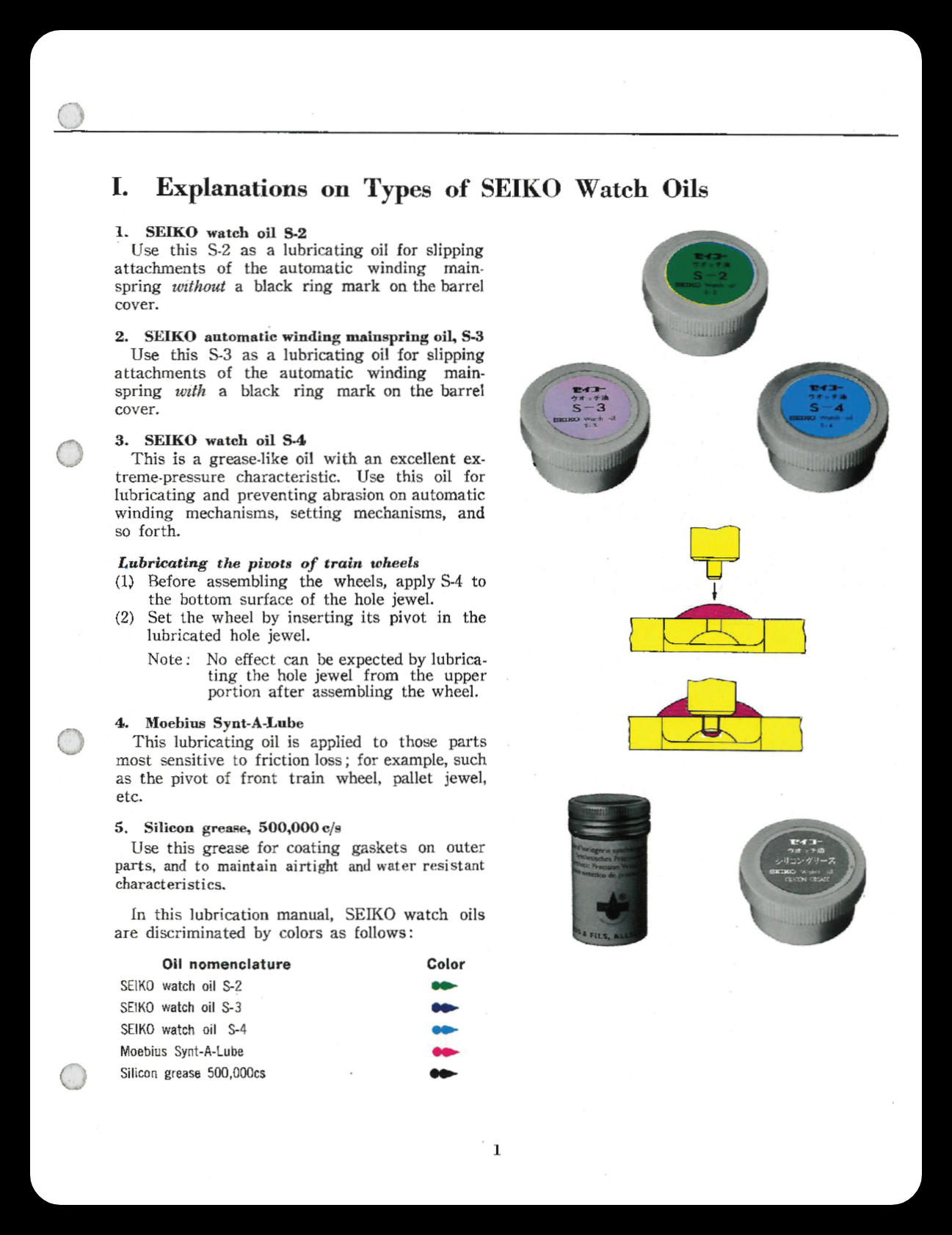
Additionally, there is an S-6 watch grease also by Seiko. It is recommended for servicing a few calibres of both the Suwa and the Daini factories such as the 6306, 6309, 7016 etc as well as the modern 7Sxx and 4Rxx calibres. However, I was unable to acquire it as it has been out of production for quite some time. Experts liken it to a soft gel like silicon-based grease and is needed for the ‘pawl lever and second reduction wheel of automatic winding mechanisms’ in these calibres. Moebius HP-1300 or the Seiko S-4 is an alternative.

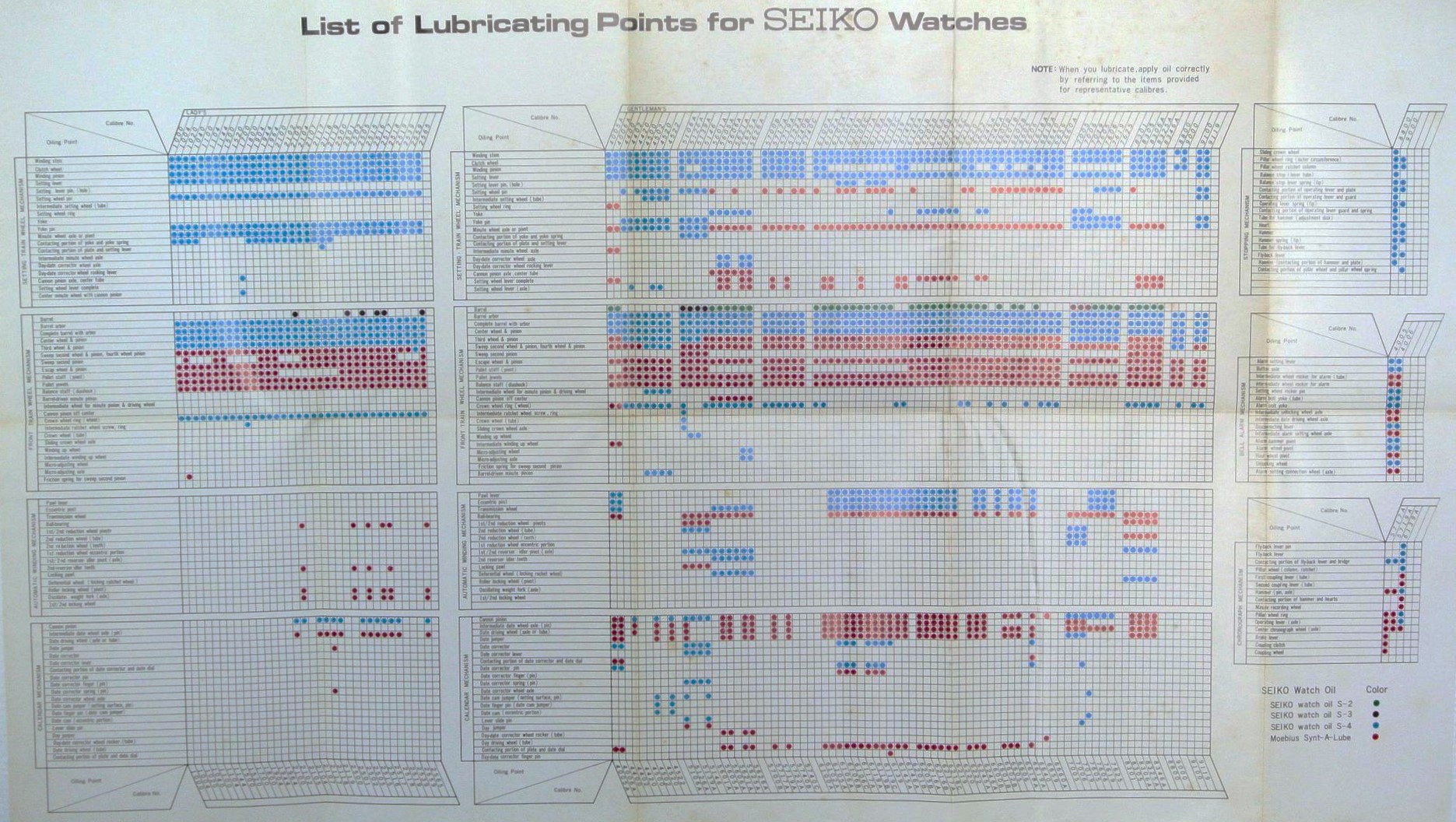
There is also this concise and efficiently presented chart of lubricating points for Seiko watches available on the internet and I am currently looking for a higher resolution one or an actual print. If any of you readers can point me in the right direction, it will be most helpful.
Similar to the S-6, the S-2 mainspring grease is also long out of production. It was a graphite based thick grease for ‘slipping attachments of the automatic winding mainspring’, otherwise known as “BRAKING GREASE”.
The S-3 mainspring grease is also another graphite based braking grease and is thick and slightly oily. Others as well as I have used it in Seiko mainspring barrels with good result and this retails for around US$26 for a 10 gram tub (US$2,600 per kilogramme).

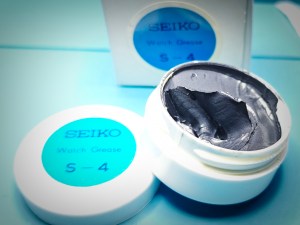
The S-4 watch grease is the lubricant for use where the movement parts are subject to high pressure as well as for metal-on-metal friction. It is a thick black grease that does not flow and contains lithium soap and molybdenum disulphide. This is also available online for around US$32 a tub (US$3200 per kilogramme).
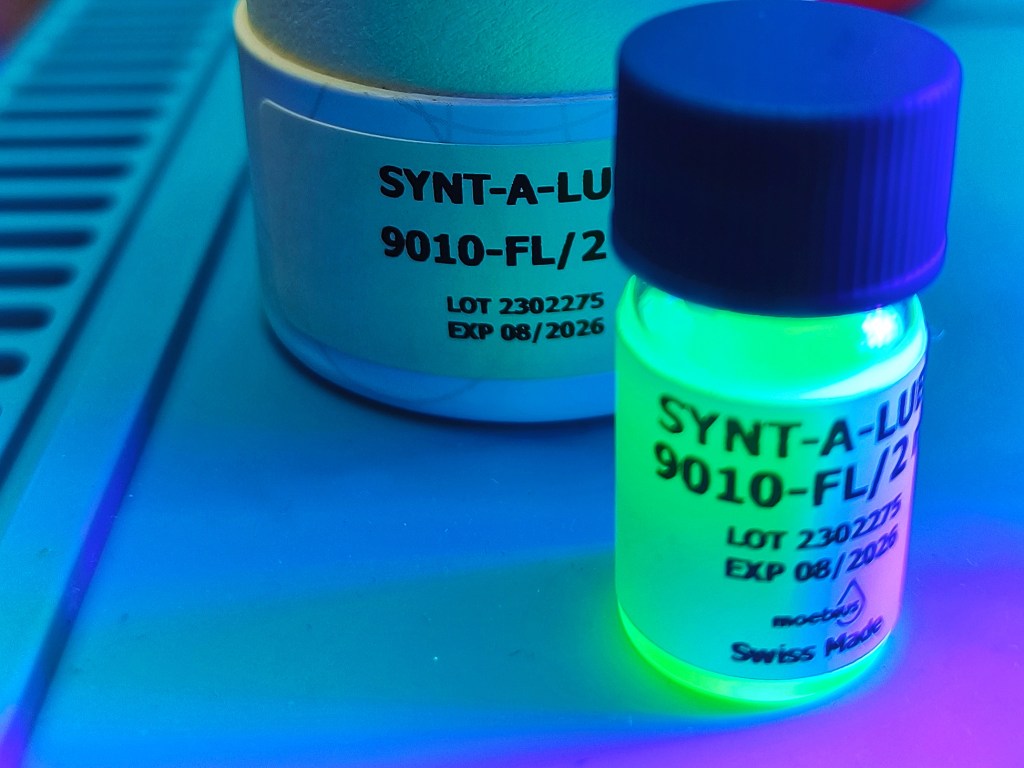
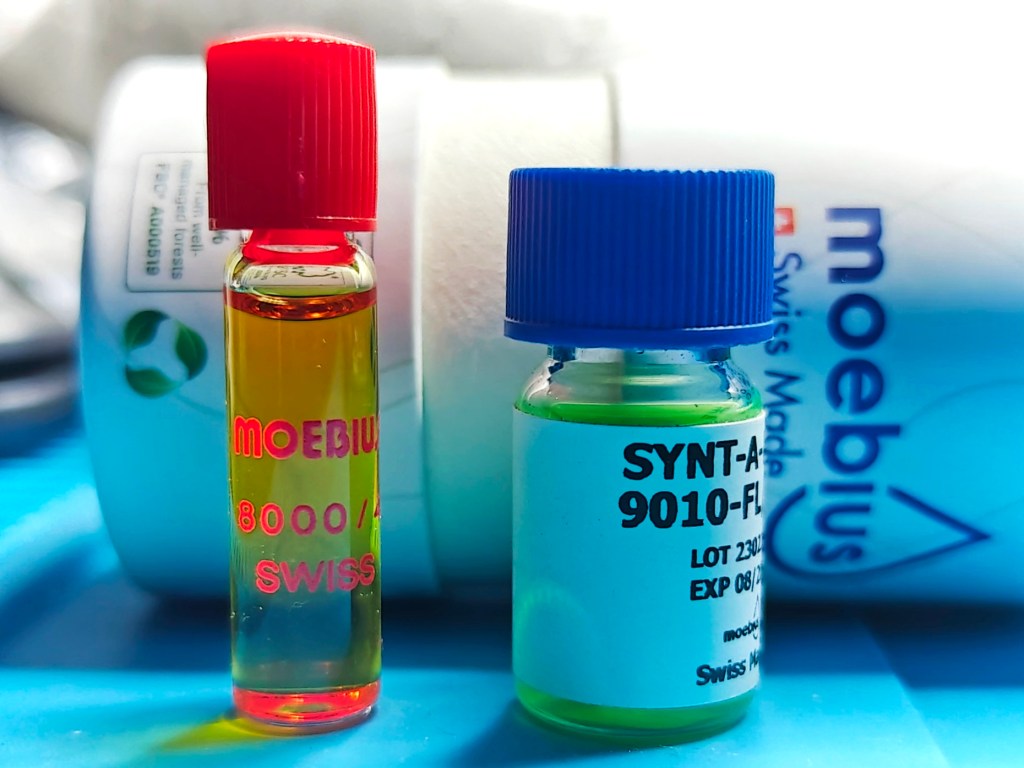
The Moebius Synt-A-Lube is the one for ‘high speed, low torque’ applications and we have two modern alternates for it. One is the aforementioned Moebius 9010 which is fully synthetic, has a long service life and is THE lubricant of choice. It is available in multiple viscosities and even one that fluoresces bright under UV light so we can see how good (or bad) our oiling technique really is! This one is priced at around US$23 for a vial of 2ml (US$11,500 per litre).
There is also a much cheaper alternative to this – the classic Moebius 8000, a natural oil which has a shorter service interval than the synthetic version. This is quite budget friendly at just over US$3 for a 1ml vial (US$3200 per litre).
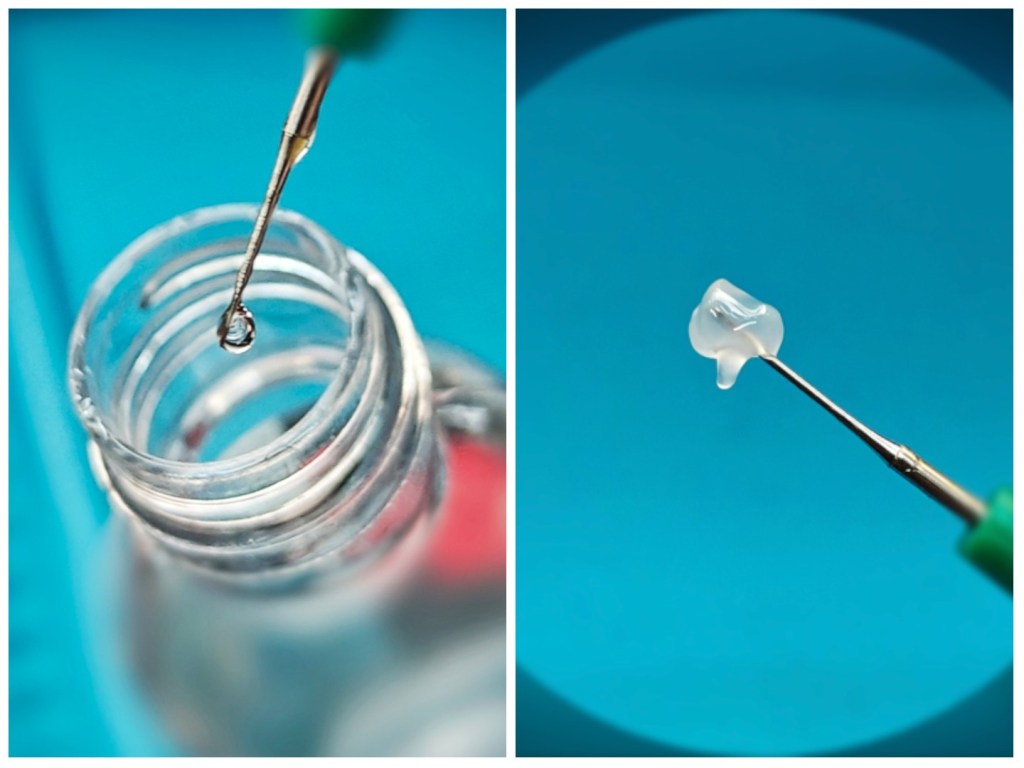
Silicon grease with the specification of 500,000 centistokes is a very viscous silicone oil and is a necessity for keeping nitrile rubber gaskets supple. It has excellent water repelling properties and is necessary for slick operation of the crown and pusher gaskets and maintaining water resistance and longevity. Applying this to crystal and case back gaskets prevent twisting and slipping thereby reducing chances of damage due to pinching of the gasket. A thick paste like grease is also available and can be used as needed.
So there we have it—a simplistic guide to the various greases and oils Seiko recommends for servicing their vintage mechanical movements, designed for fellow enthusiasts. Professional watchmakers can afford a vastly superior range of modern Swiss and Japanese lubricants and their choices are further dictated by factors such as cleaning fluid contamination and inventory concerns. Nevertheless, I will venture to say that the lubricants covered here are quite cost efficient and adequate for beginners to invest in.
Discover more from TheIndianSeikoSmith
Subscribe to get the latest posts sent to your email.
 TheIndianSeikoSmith
[…] On Oils and Greases as prescribed by Seiko […]
LikeLike
An excellent article and compiled information is very helpful for a noobie like myself.
Thank you for taking the time to present your discoveries Piyush.
LikeLike
-chart of lubricating points for Seiko watches-
It’s mine, I have the orign chart.
Regards Peter
LikeLiked by 1 person
That is awesome! Would you mind sharing a high resolution image?
Regards
LikeLike
I’ll try … it is a really big chart, 99x58cm.
And where to address?
LikeLiked by 1 person
Woah. Could you possibly email it to theindianseikosmith@gmail.com or maybe share a Google drive/dropbox link?
LikeLike
Thank you so much Peter! ❤️
LikeLike