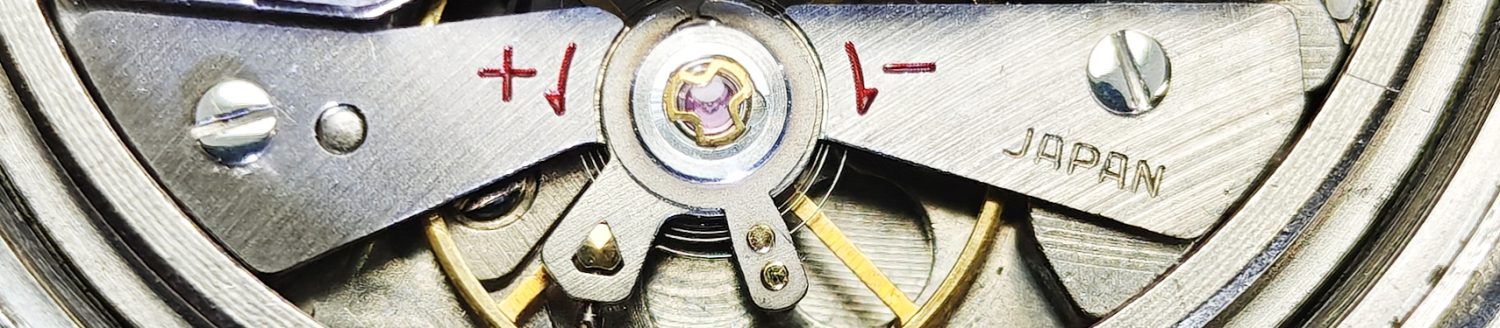
A frequent challenge faced when working on wristwatches is the occasional breakage of a stem, typically near the threaded portion of the crown and often the broken piece is impossible to grip with a pin vice or flush cutters. In the case of vintage watches, replacement stems and crowns may not be readily available. While the broken stem can sometimes be salvaged with the help of stem extenders (illustrated below) rescuing the crown presents a more intricate task, requiring the delicate extraction of the offending stem fragment without causing harm to the crown.
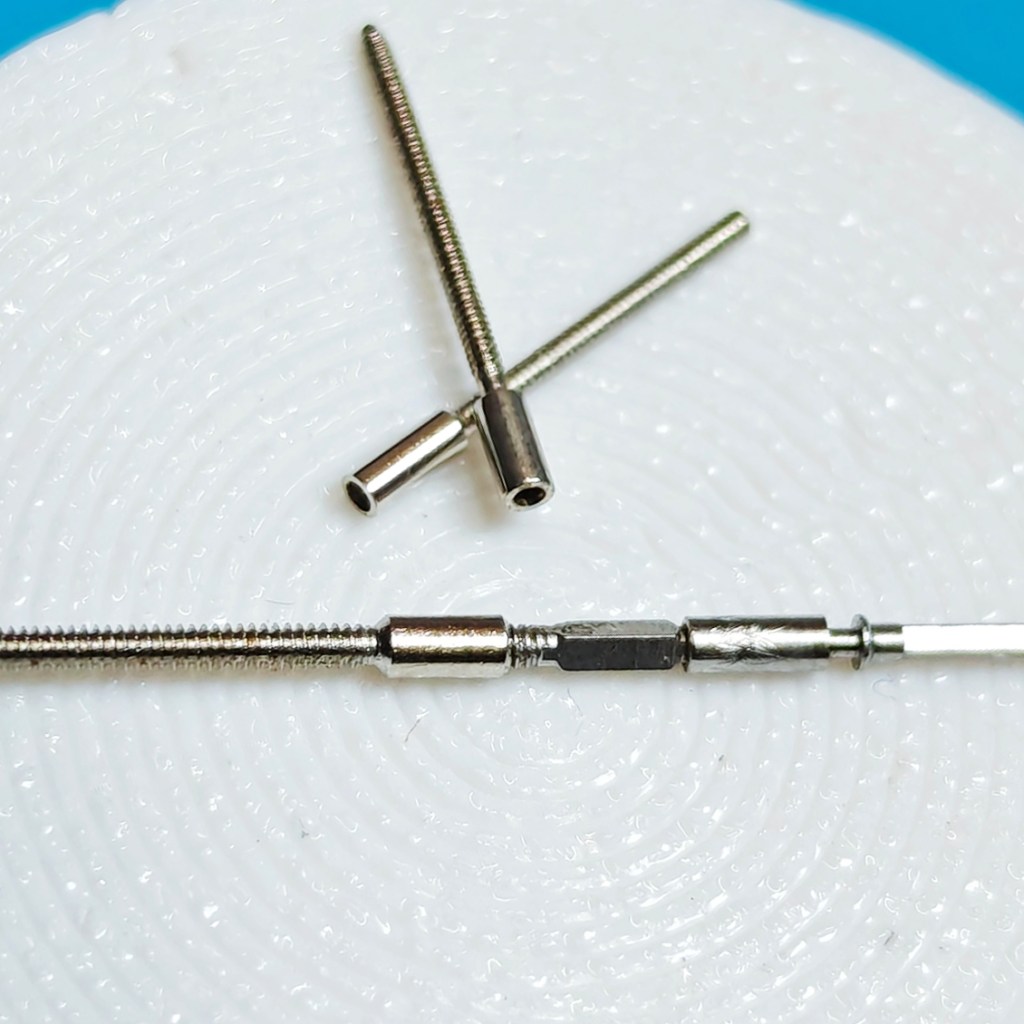
A stem threaded into an extender (bottom)
Scouring through the internet, the oft found bit of wisdom is to first prepare a saturated solution of alum powder, (potassium aluminium sulphate) which is available is speciality grocery stores. The crown with the broken stem is submerged in the solution and over the course of several hours or days (sometimes requiring the application of heat) the softer steel of the broken stem dissolves into the alum solution forming a black sludge. Meanwhile the harder stainless steel (or brass, aluminium, copper and even gold-plating) of the crown-in-distress is unaffected.
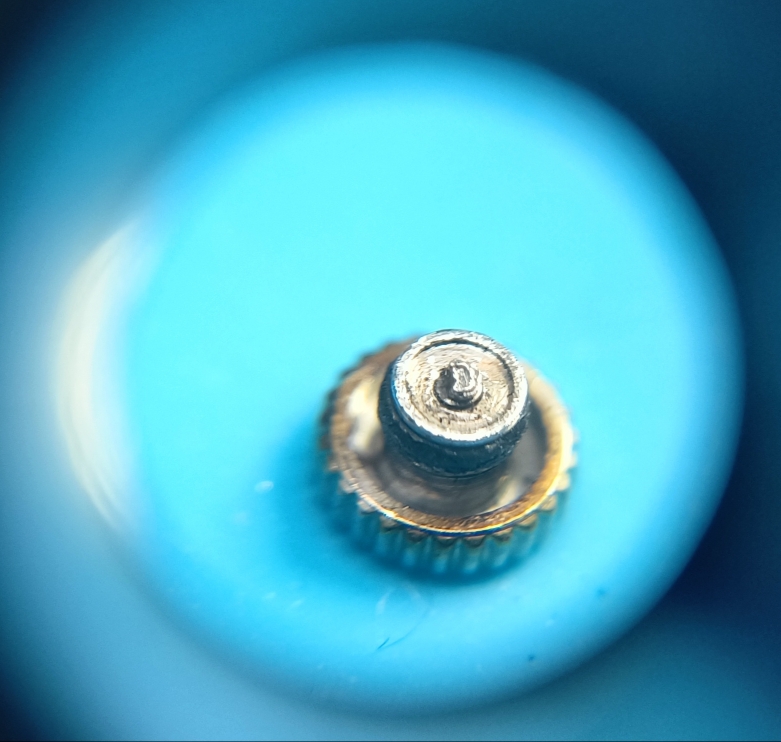
The advice is perfectly fine and works as advertised. However, when we come to Seiko watches, there is a frustrating surprise lying in wait. MOST STEMS MADE BY SEIKO ARE OF STAINLESS STEEL!
Submerging a Seiko stem and crown in alum solution, even at elevated temperatures, proves futile. Heated alum solution (and even concentrated acetic acid/ vinegar) does nothing. The offending crown in my case was a 50M04NS crown from a beaten up 6119-6400, popularly known as the UFO. The stem in question, the 357612, features a square shoulder at the crown end for a tiny gear bearing the part number 998613 supported by a spring. This configuration is found in the Seiko 61 series of calibres with internal rotating bezels, correctly termed as the Rotating Dial Ring. While the stem could not be saved due to being rusted solid, the crown remained in fair condition. Although not rare, and aftermarket reproductions in plentiful supply, I still tried to look around for some guidance to save the target of my attention.
During a conversation with a seasoned collector and restorer who goes by the moniker ‘saldog’, and boasts of a far more experience in collecting vintage Seikos than myself, I stumbled upon a working solution (pun intended).
Descaling powder, used commonly for cleaning coffee pots, dishwashers and washing machines was the answer. A saturated solution proved effective in targeting the heat-treated and hardened stainless steel of the stem while leaving the softer stainless steel of the crown unscathed. Accelerating the process is possible by heating the solution, perhaps on a coffee mug warmer. As you can see below a merry stream of bubbles erupts from the tip of the broken stem while the crown remains unharmed.
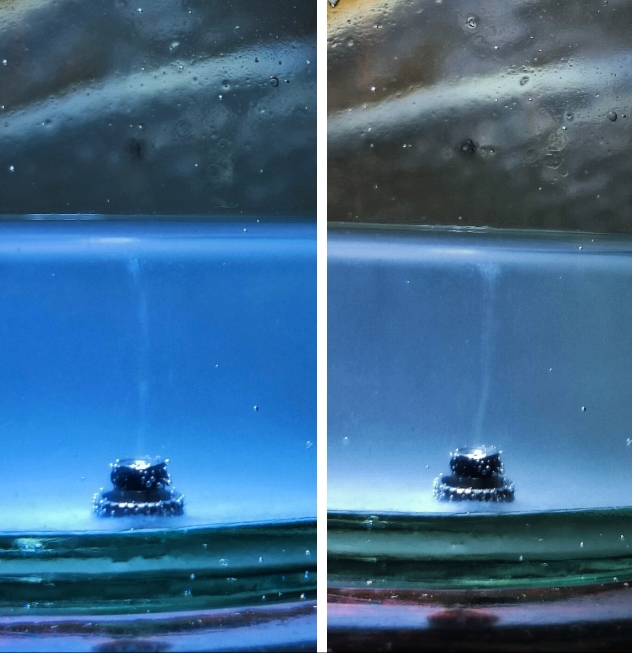
And there you have it—a guide for all fellow enthusiasts to follow when faced with a broken stem lodged in a crown out of a Seiko, desperately in need of redemption.

 TheIndianSeikoSmith